

Transformamos la cultura para sanar la relación con el planeta
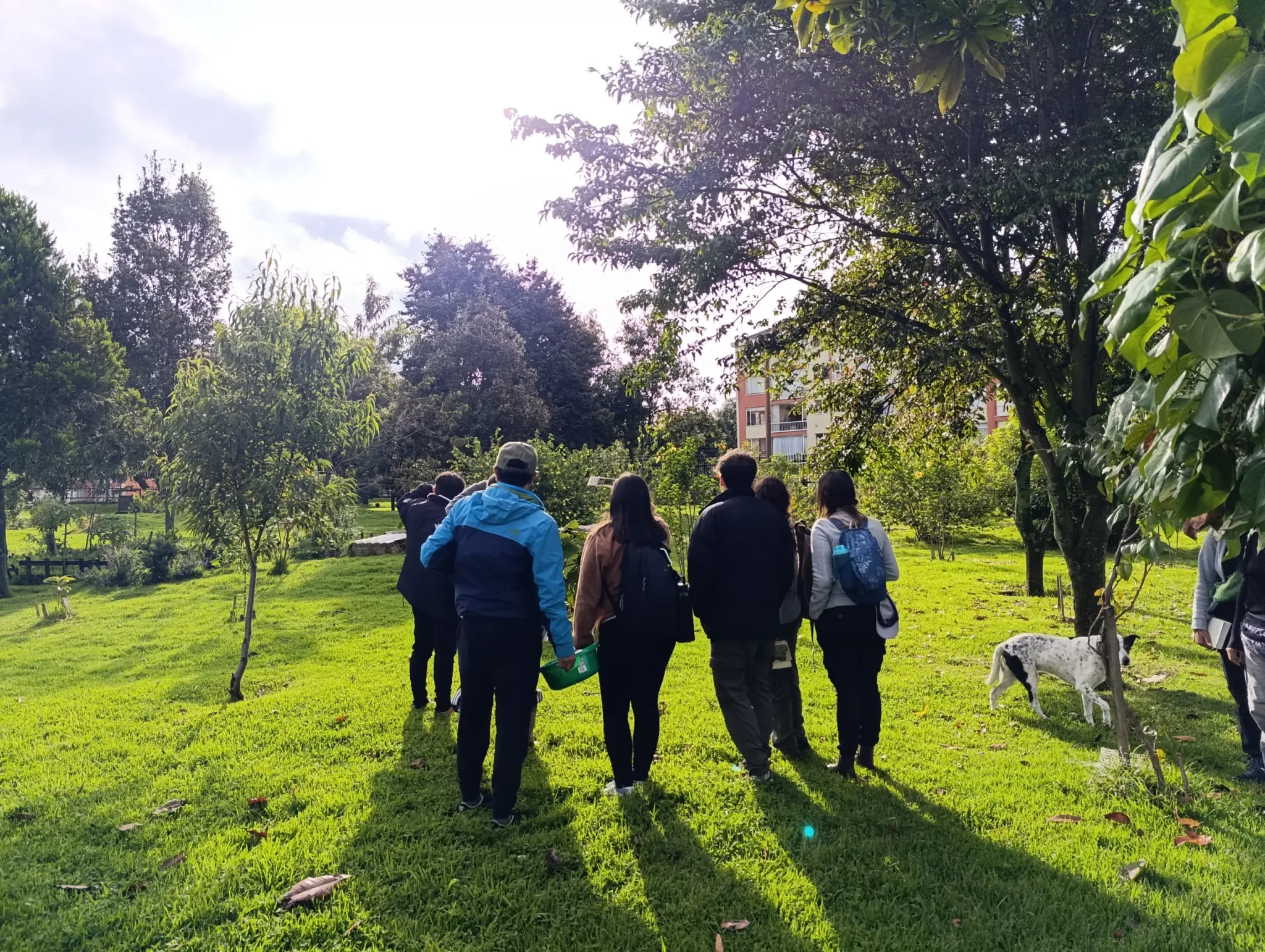
Misión
Shambala es una organización que busca acompañar el cambio de paradigmas que se está dando para que podamos vivir de manera regenerativa. Cultivamos conciencia ambiental desarrollando iniciativas que nutran el mundo ambiental y construyen comunidad.
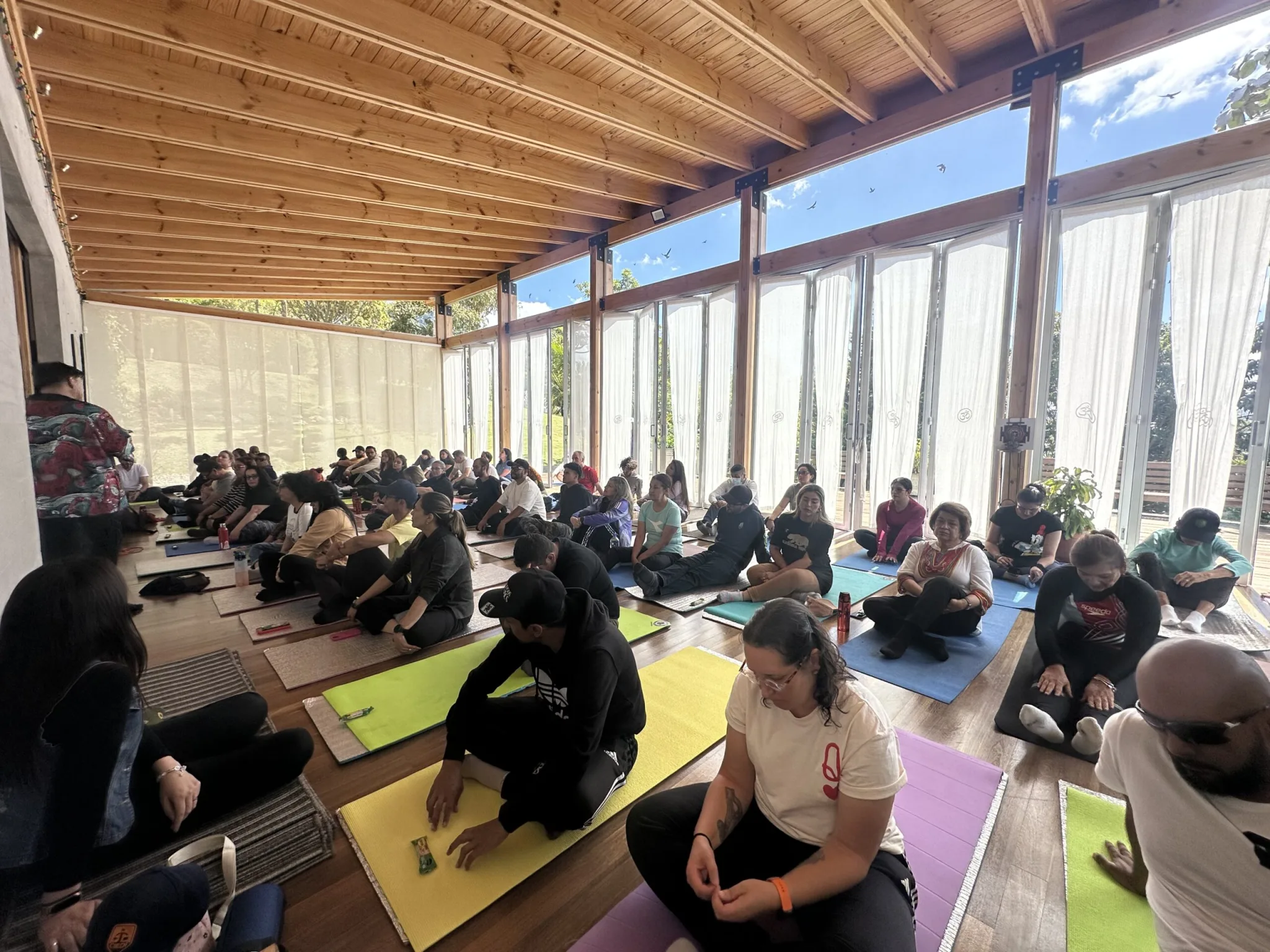
Visión
Transformar los paradigmas de la competencia, las jerarquías y el crecimiento del sistema productivo, a un enfoque más colaborativo en el que se dé prioridad a la comunidad, el altruismo, la cooperación, el amor y la suficiencia.
Nuestros valores corporativos
Perseverancia
Creemos en la fuerza de la constancia y el compromiso a largo plazo. Entendemos que los cambios verdaderos no ocurren de la noche a la mañana, y por eso trabajamos con determinación frente a la incertidumbre, los desafíos estructurales y la complejidad de nuestros tiempos.
Transparency
Practicamos la apertura en nuestras decisiones, procesos y relaciones. Comunicamos con claridad nuestros límites, aprendizajes y resultados, fomentando la confianza dentro del equipo y con nuestros aliados. Es la base de nuestra credibilidad y de nuestras alianzas sostenibles.
Cambio sistémico
No trabajamos por soluciones superficiales. Apostamos por transformar las raíces de los problemas sociales y ecológicos, cuestionando los modelos dominantes y proponiendo nuevas formas de organización, economía y relación con el planeta.
Autogestión
Fomentamos la autonomía responsable en nuestros equipos y procesos. Promovemos estructuras horizontales, toma de decisiones distribuida y una cultura de corresponsabilidad, donde cada persona pueda desarrollar su potencial y aportar desde su liderazgo personal.
Eficiencia con propósito
Valoramos el uso consciente de los recursos —tiempo, energía, dinero— y buscamos generar el mayor impacto posible con el menor desgaste. La eficiencia para nosotros no es mecanicismo, sino una expresión de respeto por el trabajo, la vida y las causas que defendemos.
Creatividad colectiva
Valoramos profundamente la creatividad como motor de cambio. Promovemos un entorno de trabajo donde se aliente la innovación, la experimentación y el pensamiento disruptivo, reconociendo la diversidad de talentos dentro del equipo.
La transformación cultural se expresa en lo que decimos, creamos y compartimos
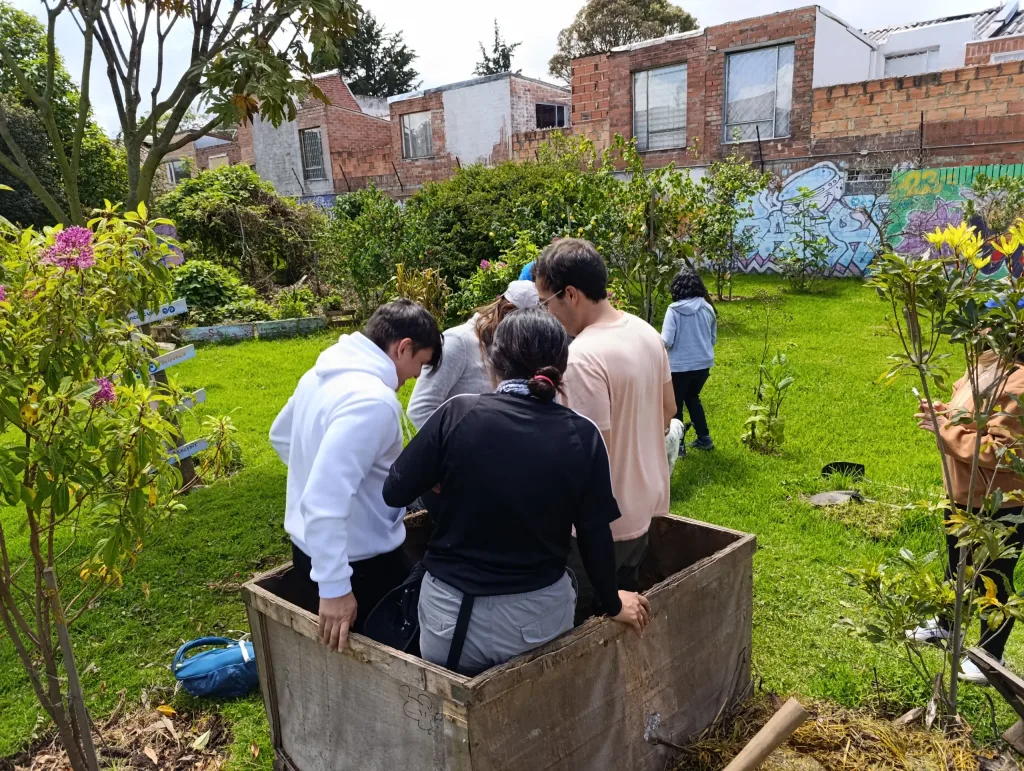
Nuestros proyectos
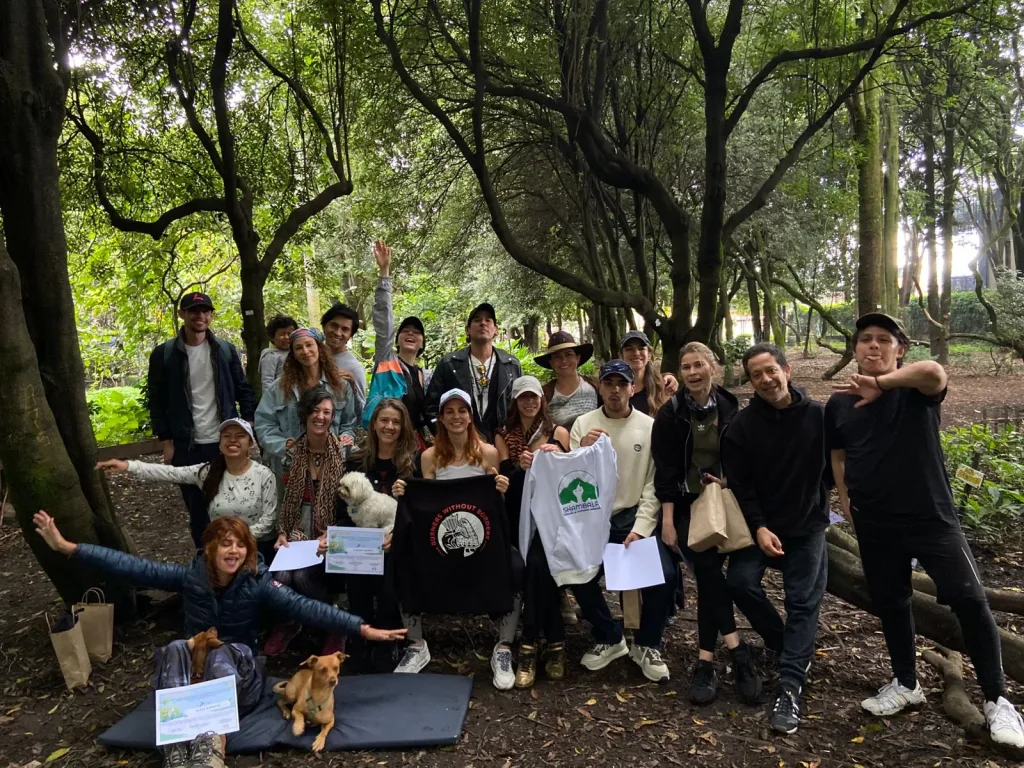
Nuestra
comunidad
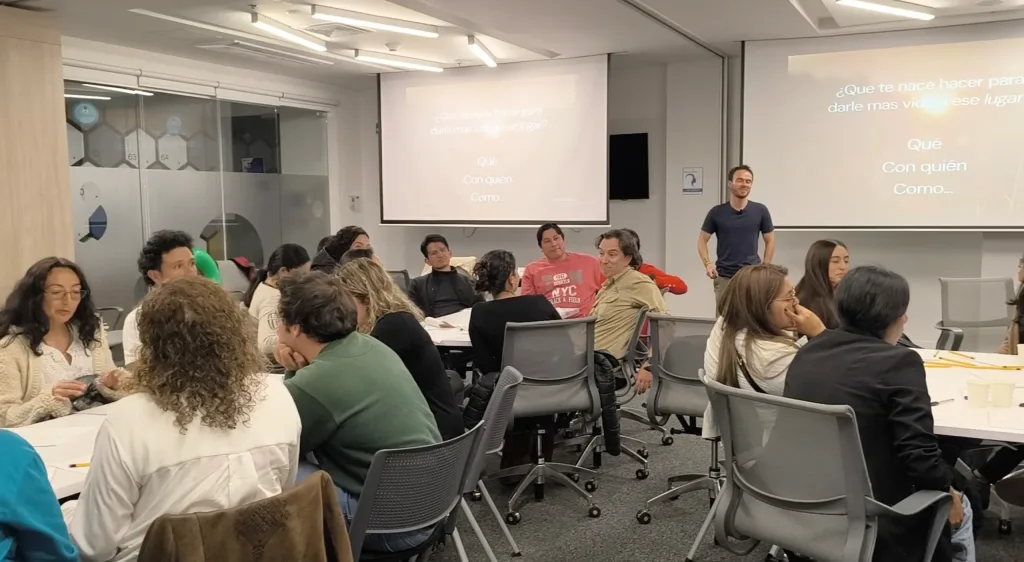
Servicios corporativos
How to change
our system?
How to change
our system?
A movement is beginning to build around having different metrics as individuals and societies.
Major organizations come up with a new narrative and are convinced of it.
Explicit networks are created that question the dogma of economic growth.
Governments and the media recognize that growth should not be the goal.
Potential productive activities begin to operate and may become commonplace.
There is a product/market fit within specific services/products.
Public, private and social support begins to manifest itself by explaining how they contribute to a new narrative.
Cooperative and environmentally responsible systems are becoming common as an alternative to industrial growth.
A specific space is centralized for the articulation of other environmental narratives.
Environmental leaders are guided to create local communities.
Sub-communities integrate and connect information systems among them.
Local communities are created that build a regenerative culture.
Knowledge about the environmental impacts of our consumption habits is disseminated.
Influencers and leaders align themselves with the critique of consumerism.
Circular economy communities are created outside the B2C system.
It promotes a value system where consumption is not the end.


